Bingo Games: A Deep Dive into the World of Numbers and Luck
Bingo games have been a beloved pastime across various cultures and communities worldwide. The thrill of waiting for the next number to be called, the excitement of marking off a number on your card, and the joy of shouting "Bingo!" are timeless experiences. But how did a simple game of numbers become such an integral part of gaming culture? Let's delve into the mesmerizing world of bingo games and understand their enduring appeal.
The Origins of Bingo
The history of bingo can be traced back several centuries. Its origins are often linked to an Italian lottery game known as "Il Giuoco del Lotto d'Italia" in the 16th century. The game gradually spread throughout Europe, making its way to France, where it was adapted and became known as "Le Lotto." It featured cards with numbers that players would cover as the drawn numbers were called.
Eventually, the game reached North America in the 1920s, where it was initially called "Beano". Players marked their cards with beans until an incorrect number was heard, causing a player to accidentally shout "Bingo!" The name stuck, and soon, bingo halls began to appear across the United States. The simple yet engaging mechanics of bingo made it accessible to a broad audience, cementing its place in gaming history.
The Structure and Rules of Bingo
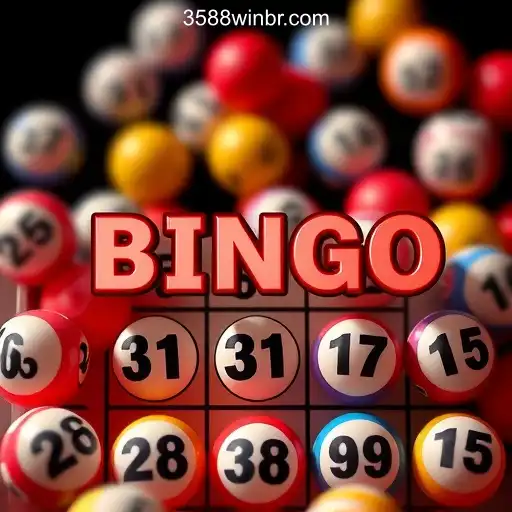
Although the core concept of bingo remains quite consistent, the game has seen various adaptations and rule sets over the years. Classic bingo is played on a card with a 5x5 grid, containing numbers ranging from 1 to 75. Each column is labeled with the letters B, I, N, G, and O. The center square is often a "free" space, which can act as a wildcard to complete a bingo. The caller draws numbers from a pool and announces them, and players mark them off on their cards. The objective is to be the first to mark off a specific pattern, which could be a straight line, diagonal, or other pre-determined configurations.
Winning combinations can vary depending on the version and the agreed-upon rules. While this is the most common form, many variations exist, each bringing a new twist to the traditional gameplay.
Bingo Goes Digital
The digital revolution has transformed many traditional games, and bingo is no exception. Online platforms like "3588WIN: A Plataforma de Apostas #1 do Brasil👈" have taken bingo to new heights by offering a digital space where enthusiasts can enjoy the game from the comfort of their homes. The advantages of online bingo include convenience, variety in playstyles, and reaching a global audience.
These platforms offer numerous bingo variations, along with attractive jackpots and bonuses, which enhance player engagement. Many players find online bingo to simulate the traditional experience effectively, maintaining the essential elements while introducing new incentives and options for social interaction.
Popular Bingo Variations
While the classic 75-ball bingo remains a favorite, several other versions have gained popularity worldwide:
- 90-Ball Bingo: Common in the UK and Europe, this variant uses a 9x3 grid card with three rows and nine columns, featuring numbers from 1 to 90. Players win by completing lines, two lines, or a full house.
- 30-Ball Bingo: Also known as "speed bingo," this fast-paced version uses a 3x3 grid, focusing on quick gameplay and frequent wins.
- Other Unique Variations: Many online platforms introduce innovative versions like pattern games or blackout bingo, where players must mark all the numbers on their card to win.
The Social Aspect of Bingo
Beyond numbers and rules, the heart of bingo beats strongest in its social connections. Bingo halls have historically been community hubs where players gather not just to win but to socialize, share stories, and create memories.
In the digital age, bingo's community aspect continues to thrive. Platforms often include chat functions, allowing players to interact, share tips, and celebrate victories together despite physical distances. Social media has also contributed to sustaining bingo communities, fostering interactions beyond the gaming sessions.
Bingo in Popular Culture
Over the years, bingo has made its mark outside traditional settings, appearing in films, literature, and even music. Its portrayal often highlights the game's versatility, from being a light-hearted pastime to a high-stakes thrill ride. Films and TV shows often utilize bingo as a plot device, sometimes as a metaphor for life's unpredictability, at other times reflecting people's dreams and aspirations.
The Future of Bingo
As technology continues to advance, new opportunities emerge for innovative adaptations of bingo. Virtual reality (VR) and augmented reality (AR) offer potential for immersive experiences where players can join virtual bingo halls, interactively engage with avatars, and experience a blend of digital and physical spaces.
Also, platforms like "3588WIN: A Plataforma de Apostas #1 do Brasil👈" continue to innovate, offering unique promotions and a wide array of games that keep the feel of traditional bingo while embracing modern enhancements. As long as there are players eager for excitement and social connection, bingo will continue to evolve and remain a treasured part of gaming culture.
Conclusion
Bingo games have undeniably stood the test of time, from the crowded bingo halls to the vast reaches of online gaming platforms. With its rich history, simple yet engaging mechanics, and the ability to bring people together, bingo remains a timeless classic poised to entertain and connect players for generations to come.